Research
Questions that begin with beta cells
We combine in vivo models, cell biology, and genome-wide screening to uncover the mechanisms that control beta-cell growth, identity, function, and survival.
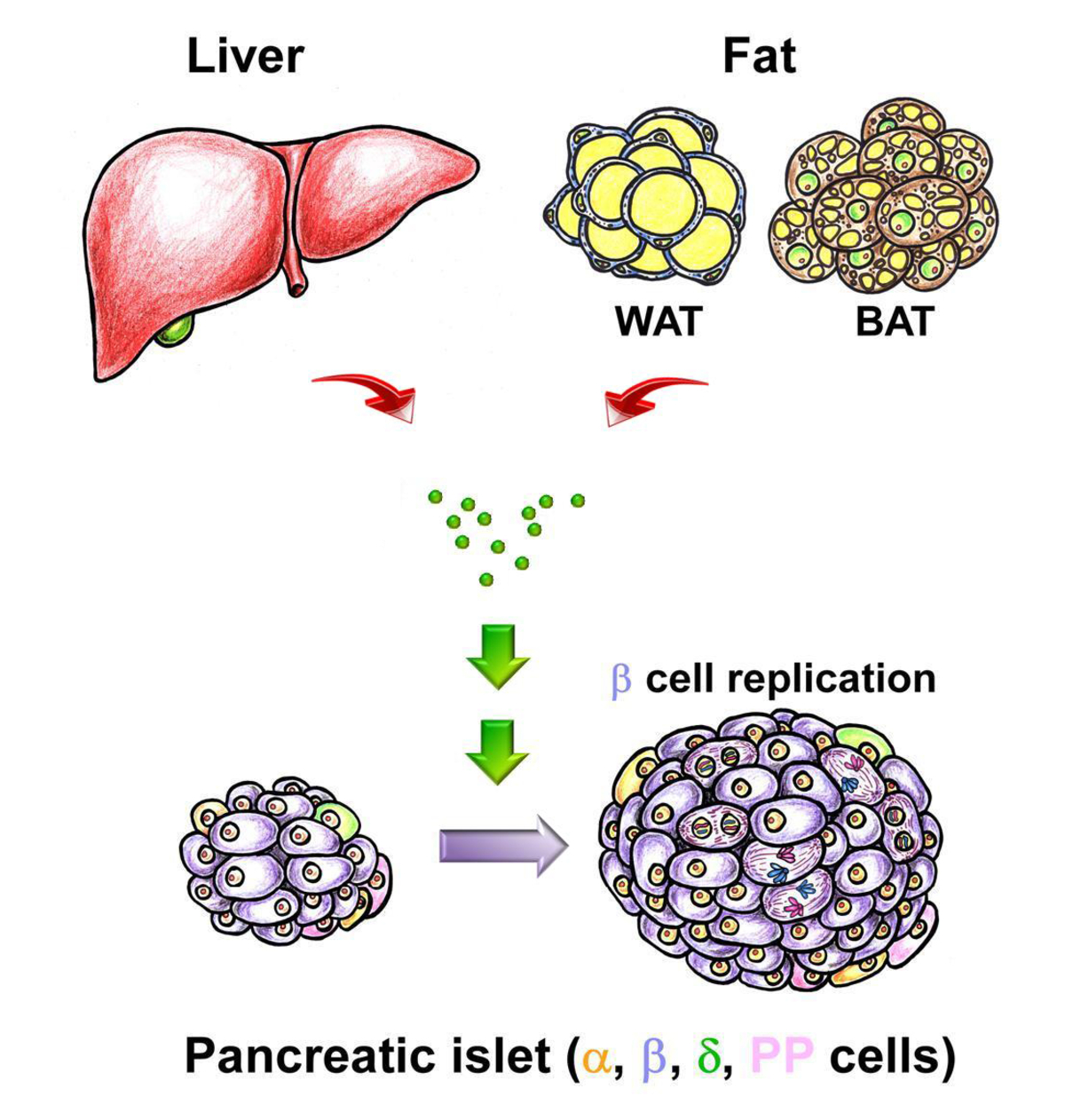
The mechanism of pancreatic beta-cell replication
We study gene networks and signaling pathways that control pancreatic beta-cell replication under insulin resistance. The laboratory established an acute insulin-resistance mouse model using the insulin receptor antagonist S961, which induces dramatic and specific beta-cell replication. We use this model to search for novel factors, secreted proteins, hormones, and beta-cell genes—and to study the cross-organ communication that regulates beta-cell function.
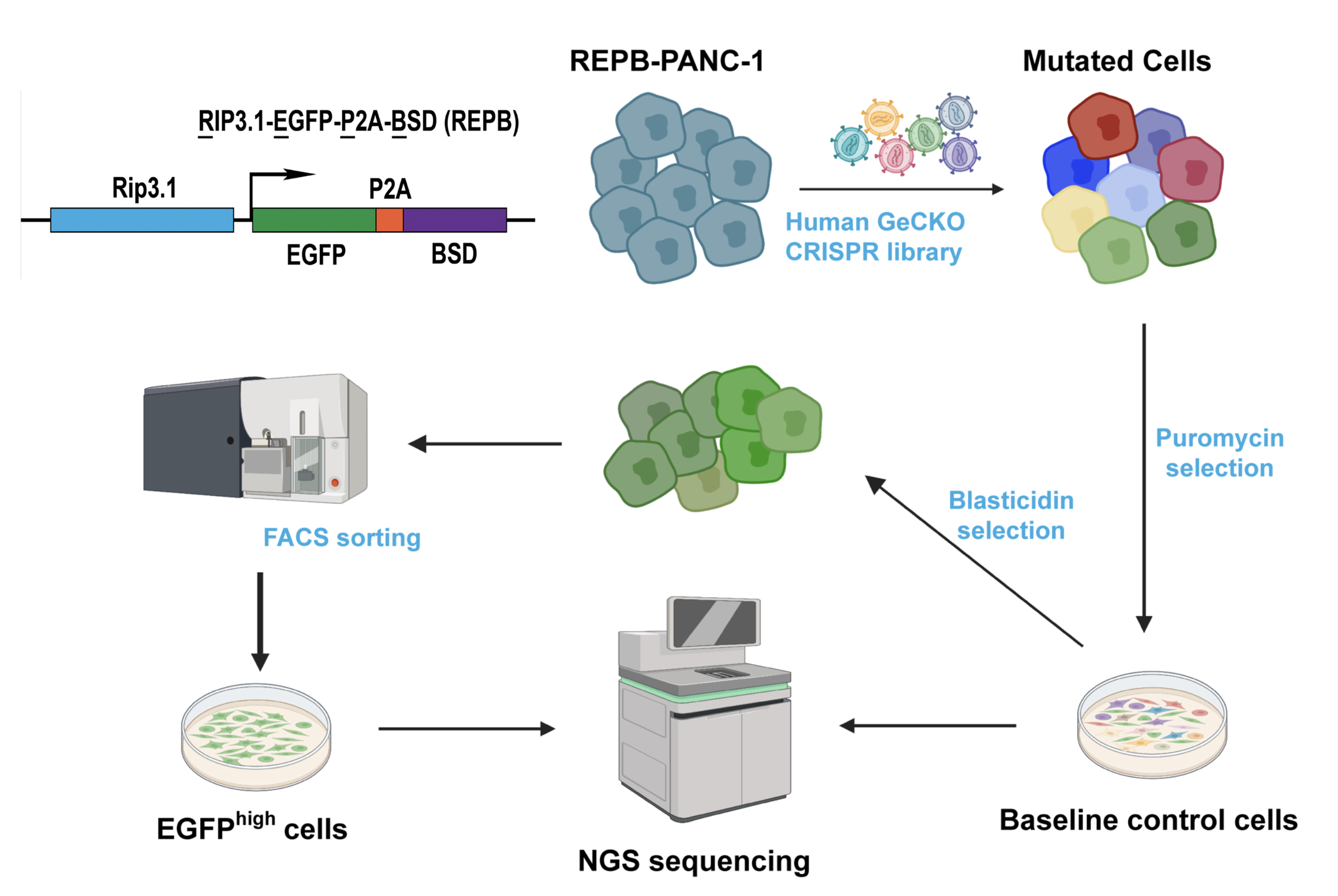
The mechanism of human pancreatic duct-cell transdifferentiation into beta-like cells
We study how human pancreatic duct cells can be transdifferentiated into insulin-producing beta-like cells. Using genome-wide CRISPR screens, we identify genes and signaling pathways that govern this cell-fate conversion and evaluate their potential to advance regenerative therapies for diabetes.
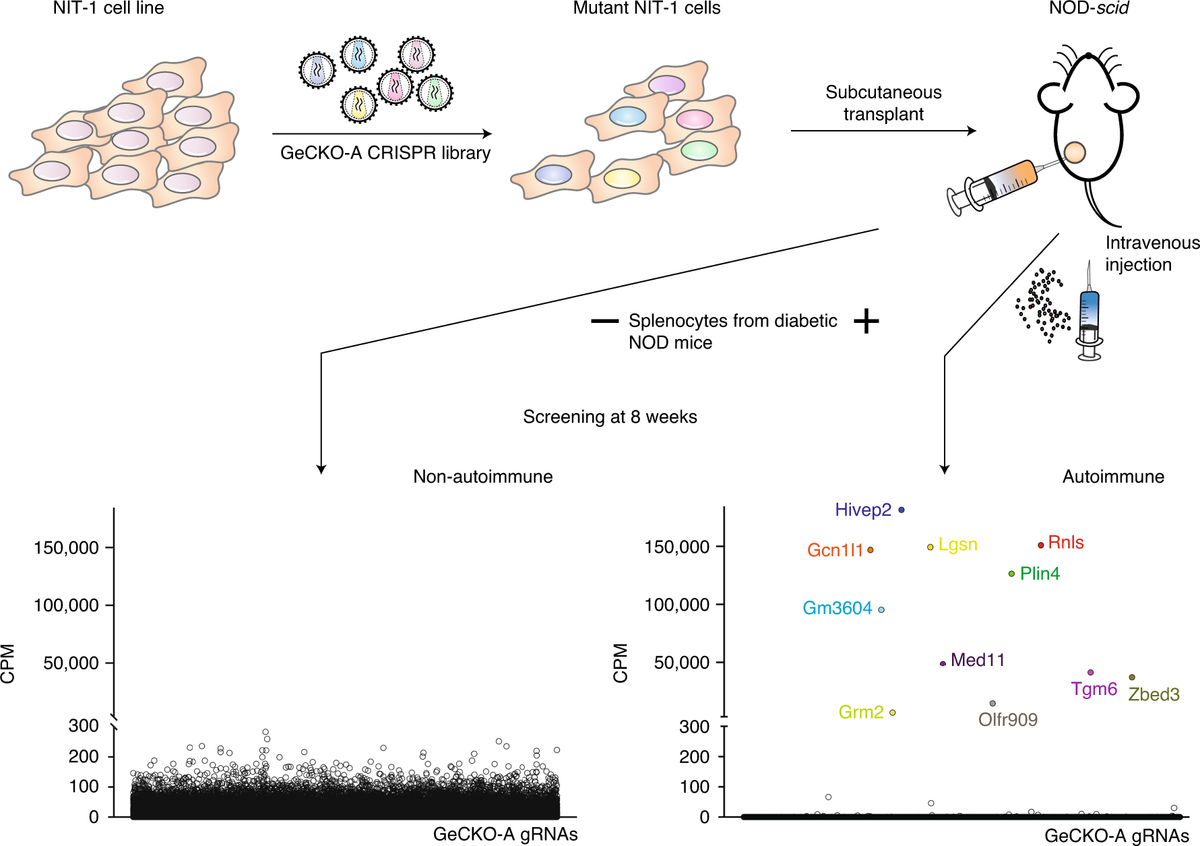
Genetic protection against autoimmune destruction
We use whole-genome gain- and loss-of-function in vivo CRISPR screens to investigate beta-cell tolerance and vulnerability in type 1 diabetes. This work uncovered genes whose mutation can render beta cells resistant to autoimmune killing. A major focus is RNLS, a type 1 diabetes GWAS gene, and the potential to target it pharmacologically to protect beta cells.
Genome-wide CRISPR screens for beta-cell biology
We apply genome-wide CRISPR screening to a range of questions in beta-cell biology, including cellular stress, function, allotransplantation tolerance, and human beta-cell proliferation. These systematic approaches give us a direct route from biological question to candidate mechanism and potential therapeutic target.
Work with us
Bring your question to the screen
We welcome scientists interested in diabetes, gene editing, genetic screening, molecular biology, and translational discovery.
Open position